
Why Young People Do Not Know What Career to Choose

Many young people reach a point where they think, “I don’t know what career to choose” or “I don’t know what job I want to do.”
This feeling is far more common than it looks from the outside. Friends seem to be moving forward. Options keep piling up. And being asked what you want to do next can feel uncomfortable when the honest answer is, “I’m not sure.”
Not knowing what career to choose is not a failure or a lack of ambition. In most cases, it’s a sign that the decision is being approached in the wrong order.
Why choosing a career feels so hard now
For many young people, career decisions feel heavier than they did for previous generations.
Choices are expected earlier, and they are often presented as long-term commitments. Courses, apprenticeships, and job paths can feel like doors that close other options behind them. At the same time, social media makes it look as though everyone else has already figured things out.
When so much importance is placed on getting it right first time, it’s no surprise that people freeze rather than move forward.
Pressure to decide early creates confusion
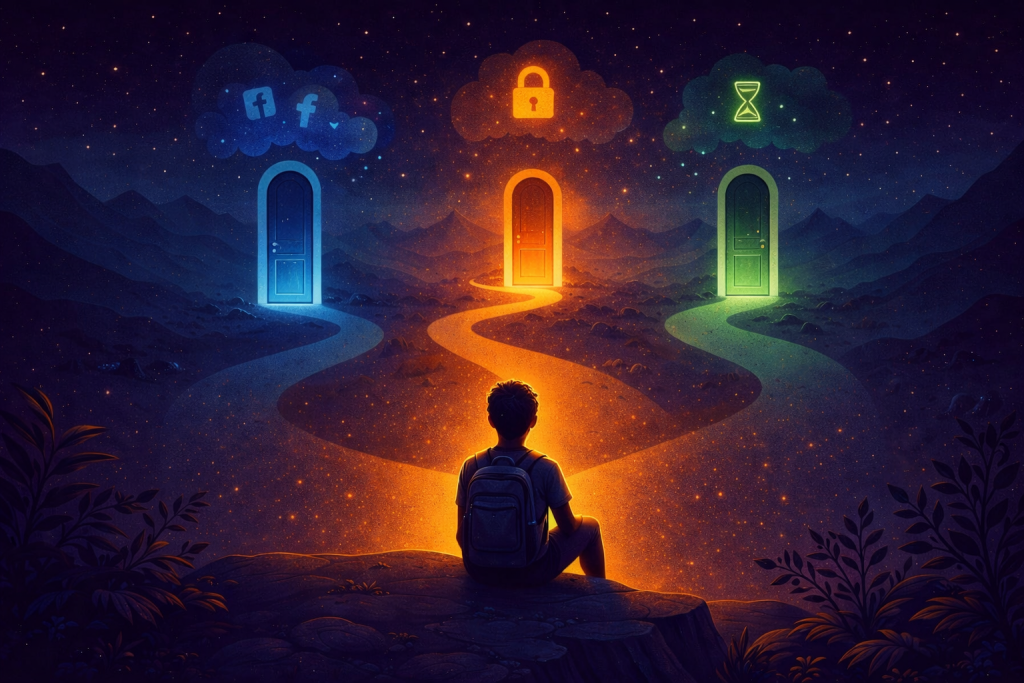
This section helps explain why young people do not know what career to choose, even when they care deeply about making the right decision.
One of the biggest reasons young people don’t know what career to choose is pressure to decide before they feel ready.
Being asked to choose a job or career direction without first understanding what actually suits you often leads to surface-level decisions. People pick options because they sound sensible, familiar, or approved by others, not because they feel right.
This pressure can result in:
-
rushing into choices that don’t last
-
avoiding decisions altogether
-
feeling behind compared to peers
None of these outcomes come from a lack of motivation. They come from being asked to decide without the right foundations in place.
Too much information, not enough clarity

There is no shortage of careers advice, job ideas, or pathways to explore.
Young people can easily access role profiles, qualification routes, and labour market data. But having information is not the same as having direction. When everything is presented as important, it becomes difficult to explain why one option feels more appealing than another.
This is often where people get stuck. Not because they have no options, but because they don’t know how to make sense of them.
Feeling stuck doesn’t mean you lack ambition
Many people who feel confused about their career actually care deeply about making a good choice.
They want work that feels meaningful, sustainable, and aligned with who they are. That level of care can make choosing a career feel even harder. The more seriously someone takes the decision, the more overwhelming it can become.
The issue is rarely effort or drive. It’s a lack of structure in how the decision is being approached.
What actually helps people move forward

Clarity tends to come before confidence, not after it.
Before choosing a specific job or pathway, people benefit from understanding:
what they are genuinely drawn to
what they feel connected to through experiences, people, or opportunities
and how to explain their thinking in a clear, realistic way
When these elements are explored in the right order, decisions feel lighter. People stop guessing and start making choices they can explain and stand behind.
This reflective stage is often skipped, but it’s where most of the confusion is resolved.
Reflection before decision

Not knowing what career to choose does not mean you are failing. It often means you need time to think before committing.
Taking space to understand what drives you does not delay progress. It helps ensure that the decisions you make next are more intentional and easier to commit to.
If you want to explore this thinking in more detail, you may find it useful to read How to Choose a Career, which introduces a simple way to think about early career direction.
For those who want to work through that process in a guided, structured way, the Early Career Pathfinder course is designed to support that next step.