
Why AI Fear Is
Distorting Early Career Decisions in the UK

A new UK report has found that 16-to 30-year-olds are already changing their career plans because of artificial intelligence. Some are avoiding certain paths. Others are rethinking what jobs will exist in the future.
Yet employers in the same report say entry-level roles are not currently being replaced at scale.
That raises an important question.
If jobs are still there, why are so many people changing direction already?
Because fear moves faster than clarity.
AI and Early Careers: The Real Problem Isn’t Technology
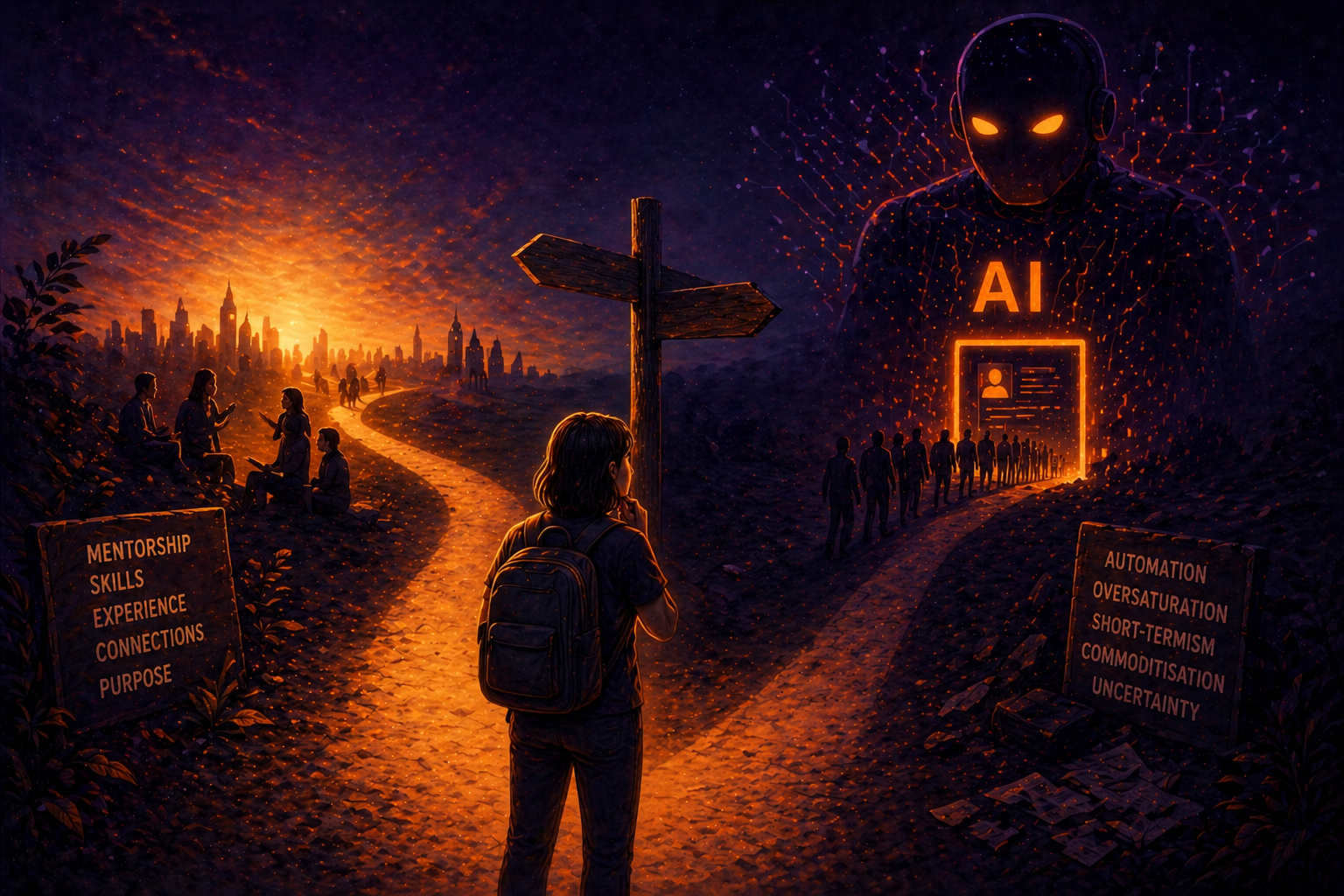
AI is changing the world of work. That part is real.
Some tasks will be automated. Some roles will evolve. New opportunities will appear.
But many people are now making career decisions based on headlines, assumptions, and social media noise rather than grounded thinking.
That creates a new problem in early careers.
People start ruling out paths they never properly explored.
Why You Feel Lost About Career Choices
Choosing a career has never been simple. You are expected to make decisions about your future while still learning who you are, what motivates you, and what kind of work suits you.
Now add constant talk about AI replacing jobs.
It becomes even harder to think clearly.
Instead of asking:
- What fits me?
- What strengths do I have?
- What environments suit me?
- What kind of future do I want?
Many people are asking:
- Will AI kill this job?
- Is this career safe?
- Am I wasting my time?
That shift matters.
Career Decisions Made Through Fear Often Lead to Poor Fit
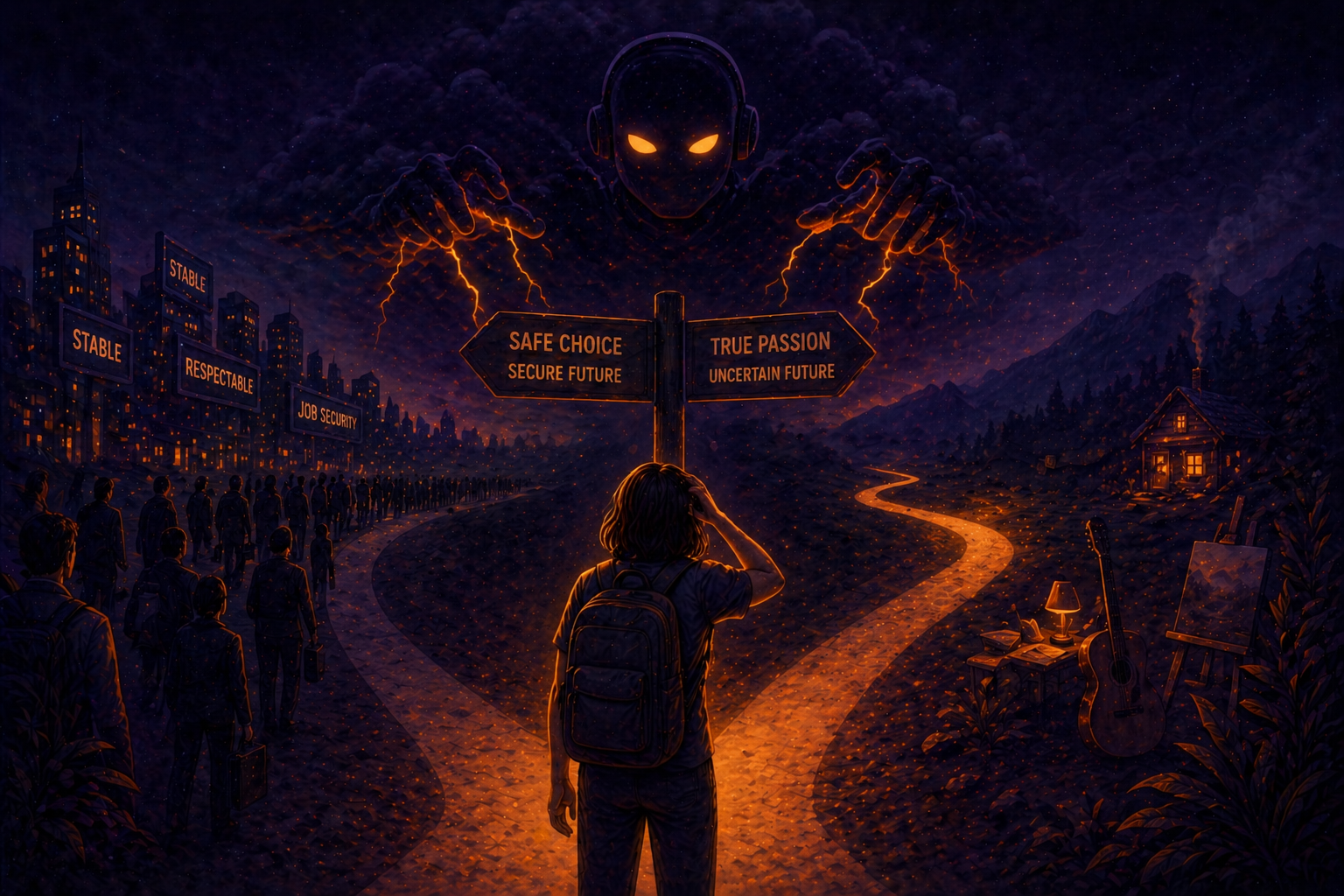
When fear drives decisions, people often choose the wrong things for the wrong reasons.
- They chase what sounds safe.
- They avoid paths they may have loved.
- They follow trends rather than direction.
This is one reason so many people end up in roles they cannot explain, do not enjoy, or quickly outgrow.
The issue is not always lack of opportunity.
Often, it is lack of clarity before choosing.
Employers Still Need Early Career Talent
Despite AI concerns, many employers and the government continue to invest in apprenticeships, graduate schemes, and entry-level hiring. With £1bn pledged to create 200,000 new jobs and apprenticeships.
They still need people who can learn, adapt, communicate, solve problems, and grow.
Those human qualities matter greatly.
Technology may change tasks, but it does not remove the need for purposeful people.
That means you should not retreat from opportunity based on fear alone.
How to Choose a Career in the Age of AI
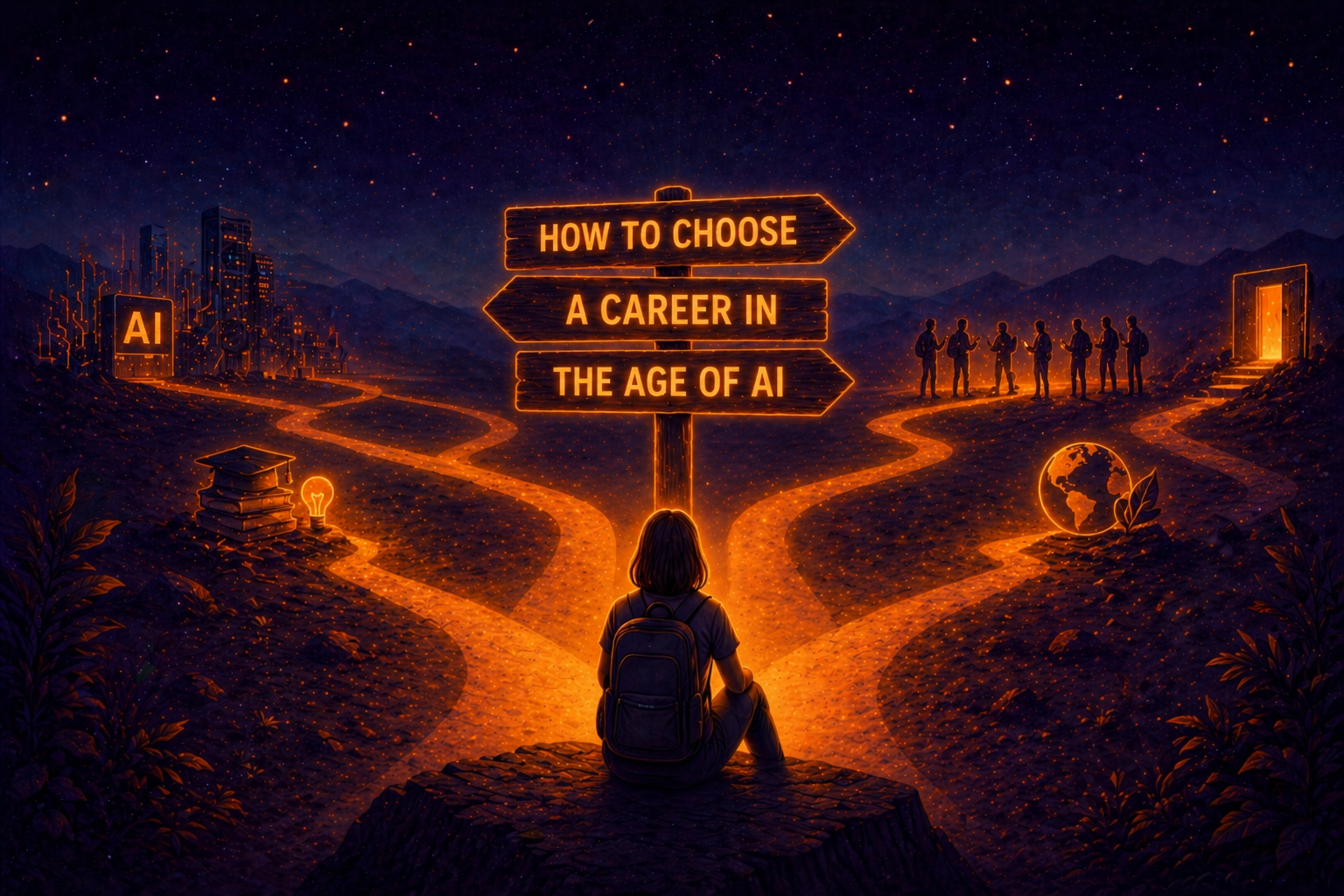
The answer is not to ignore AI.
The answer is to think better.
Understand where industries are going, but also understand yourself.
Look at your interests, strengths, motivations, and what type of work gives you energy.
Then make informed decisions from a position of clarity.
That approach lasts longer than reacting to whatever trend is dominating the news.
How Early Career Pathfinder Helps You Choose Clearly

If you feel unsure about your next step, you are not alone.
Many people have never been shown how to properly think through career direction.
That is exactly why Early Career Pathfinder was created.
It helps you understand what fits you, what matters to you, and what realistic paths make sense for your future.
Instead of guessing or following fear, you build a direction you can explain with confidence.
Career Direction Matters More Than Ever
AI may reshape jobs over time.
But fear should not shape your future.
Right now, you do not need more noise or more panic.
You need a clearer way to think about career direction.
If you want clarity, confidence, and a smarter next step, Early Career Pathfinder can help you get there.
Pathfinder is a short, structured course built around this exact framework.
It’s designed to help people aged 16–30 slow down, think clearly, and finish with a written statement of career direction they can build on. The course takes under an hour and is intended as a calm starting point, not a forced decision.
Start Your Journey